
How to Compare Historical Result Records Across Different Dates
How to Compare Historical Result Records Across Different Dates
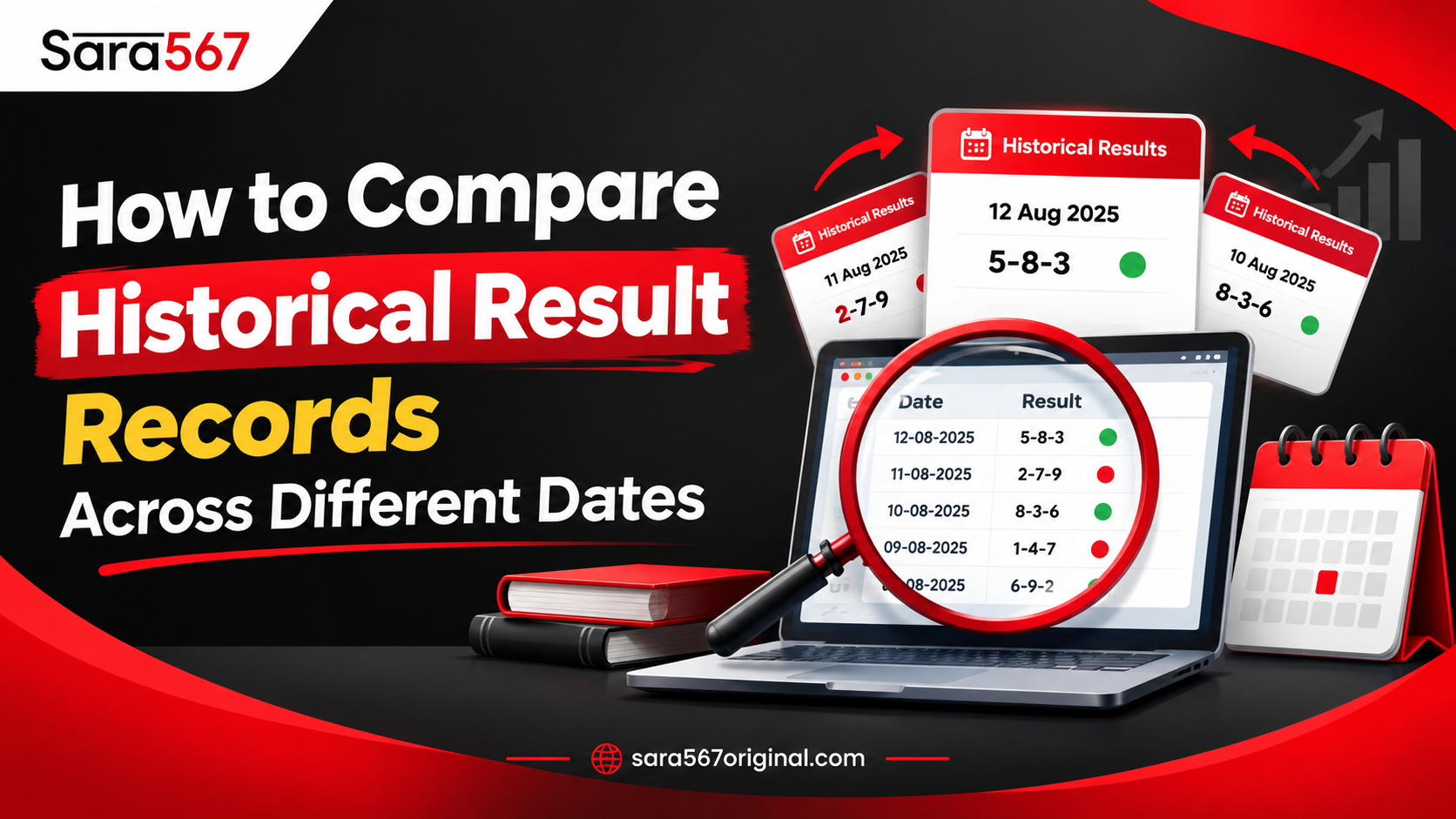
When examining market archives, studying how to compare matka result records across different dates is useful for newcomers and experienced players. Historic archives feature important reference information about the way records were displayed.
Cross-referencing past entries is an effective way for readers to sort out past data and examine the differences in the charts. At the same time, it is necessary to understand that comparing historical figures has no value in terms of forecasting future outcomes.
What Are Historical Result Records?
Historical result records are collections of past results sorted out according to dates, weeks, or months. Information platforms that host such archives usually allocate charts according to the market, including Kalyan, Milan, Sridevi, and Rajdhani.
When analyzing historical matka result records, readers should pay attention to the market name, date, open or close, and combined panel. It is important to understand that different websites and resources can feature varying ways of organizing the information and designating the fields.
Why Compare Matka Result Records Across Dates?
There are several reasons why it is useful to compare matka result records across dates:
-
Checking Completion: Cross-referencing different days’ outcomes helps to ensure that no dates were missed in the archive.
-
Noticing Differences: Information platforms that feature such records change the way of displaying data every now and then. Comparing entries helps to adapt to the new structure and notation.
-
Organizing References: For the sake of personal research, it is important to keep track of the records in a reliable, structured manner.
When examining matka result records, the emphasis should be placed on organization and completion rather than looking for patterns and mathematical dependencies for future results.
How to Compare Historical Records Step by Step
When analyzing historical entries, make sure to follow the next step-by-step instructions:
-
Choose Markets and Dates: Choose a market (Kalyan, Rajdhani, etc.) and set the dates you want to compare.
-
Confirm Markets: Make sure that the markets mentioned in the two records are the same – it is easy to confuse different days’ outcomes.
-
Check Fields: Examine the fields displayed in the header of the chart and make sure that the necessary information is there.
-
Compare Chart Formats: Compare the two records and look for similarities in the arrangement of information. If possible, choose entries that feature the same structure and notation for easier comparison.
-
Mark Inconsistencies: Pay attention to the parts of the records that feature different notation or missing data.
-
Keep a Log: If you are comparing data for research purposes, keep a personal log of the compared dates and the formats used in them.
Note: Ensure that both sets of information relate to the same markets and dates before comparing them. It is better to spend a little extra time on researching the differences in the charts to avoid confusion.
What Information to Compare in the Matka Results
When comparing two different sets of data, consider the following key points to ensure an accurate comparison.
| Comparison Detail | What to Check | Why It Matters |
|---|---|---|
| Date | Confirm the exact date displayed on each chart entry. | Prevents date mix-ups across different days or weeks. |
| Market Name | Verify that both entries cite the same market title. | Avoids accidentally comparing completely unrelated market records. |
| Chart Format | Review whether the record uses panel, jodi, or simple grid layout. | Makes visual differences easier to evaluate and understand. |
| Missing Information | Look for blank cells, missing fields, or unavailable dates. | Helps identify incomplete archives or delayed updates. |
| Source Details | Check where the historical record was published or recorded. | Helps readers evaluate the context and layout standards of the source. |
| Record Consistency | Compare column labels, spacing, and font formats across dates. | Reduces misunderstandings caused by changing visual designs. |
Inconsistencies in the presentation of information should not affect the comparison of data itself.
Common Errors to Avoid When Comparing Charts
When comparing two data sets, make sure not to confuse different markets and dates. Different days’ outcomes should also not be confused with different markets’ outcomes. It is important to examine the consistency in the presentation of information – errors will arise when different notations are used within the same records or across different entries.
Reference Information About the Matka Charts
When comparing data across different dates, it is important to look for variations in the presentation and notation. Sara 567 features date-wise collections of matka results across different markets. When comparing such sets of data on this platform, make sure to choose the same markets and examine the differences in the presentation of information, including the placement of numbers.
Make sure that the dates selected for comparison are adjacent or close to each other. When using this resource or any other online platform, double-check that the dates and markets are compared correctly and match the necessary criteria.
Conclusion
When comparing historical result records, it is easy to check the completeness of the data sets and examine the variations in the presentation of information across different dates. By carefully reviewing the necessary headers and market names, it becomes possible to keep a consistent reference log and compare the records thoroughly. Readers are encouraged to compare matka result records available on Sara 567 to examine different sets of data pertaining to historical market results.
Also Read This: Milan Matka Historical Charts Explained
Frequently Asked Questions
What does it mean to compare matka result records across dates?
Comparing records is a useful way to look for differences in the presentation of data across different days’ outcomes.
How can I check historical matka result records?
Comparing records can be done through online information platforms, such as Sara 567, where the user can choose the necessary market and date and view the panel or main charts.
Why should I confirm the name of the market before comparing charts?
Before comparing data sets, it is necessary to confirm that the same market is chosen in both records – otherwise, there will be confusion due to the dissimilarity of the two sets of data.
Can historical matka records predict future results?
No – historical records and past results have no value in terms of forecasting future outcomes.
What should I do if a historical chart has missing information?
If a set of data has missing entries, it should be compared to other similar dates and information platforms to check for consistency.
Responsible Gaming Notice
Satta Matka is a game of chance and no historical records or data sets presented on this website can guarantee or predict future results. This website is intended solely for informational and reference purposes. The content is provided for individuals who are 18 years of age and older. Please make sure to follow the laws of your jurisdiction and do not risk more money than you are willing to lose.
SEO expert and digital content researcher tracking market trends, data verification, and informational guides across digital platforms.